Where Swipes Meet Soulmates in the Land of the Free
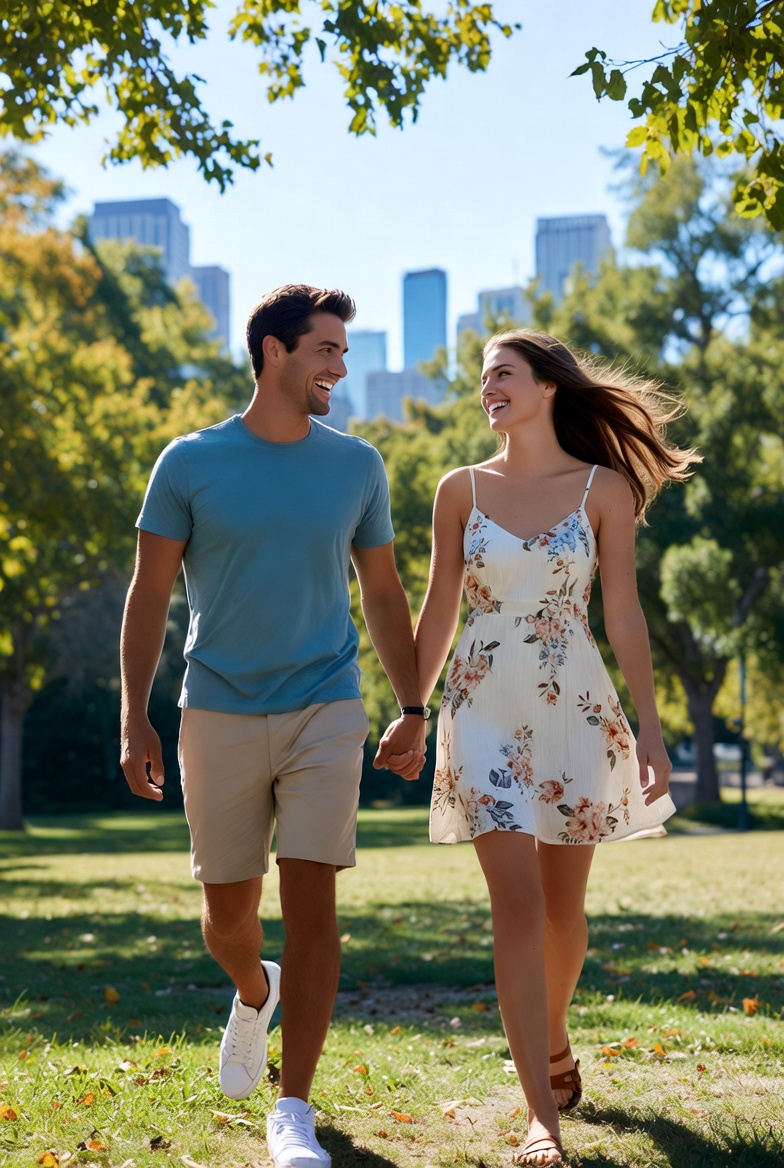
A $2 Billion Industry, 48 Million Singles, and One Giant Dating Recession
Dating in the United States is not just a personal quest for connection—it is a cultural phenomenon, an economic powerhouse, and, in 2026, a full-blown national conversation. From the glittering skyscrapers of New York City to the wide-open plains of Texas, Americans are navigating a landscape of endless choice and paralyzing uncertainty. With nearly half the population single and online dating apps generating billions in revenue, the hunt for love has never been more accessible—or more exhausting. Yet beneath the polished profiles and perfectly filtered photos lies a stark reality: America is in the midst of what experts call a “dating recession.”
This is not your grandparents’ courtship. Gone are the days of soda fountains and polite front-porch conversations. Today’s dating scene is powered by algorithms, shaped by economic pressures, and haunted by terms like ghosting, situationships, and the dreaded “just talking” phase. Whether you’re a Gen Z college student in Los Angeles or a millennial professional in Chicago, the rules have changed. Success demands strategy, resilience, and a healthy dose of digital savvy. In this 1,300-word deep dive, we explore the evolution, the apps, the challenges, the trends, and the practical tips that define dating in the USA right now.
The Digital Love Marketplace: Apps, Algorithms, and Endless Options
Online dating is no longer fringe—it is the default. As of early 2026, 39 percent of U.S. adults have used a dating site or app at some point, with 7 percent actively using one right now. Among 18- to 29-year-olds, the figure skyrockets to 65 percent lifetime usage and 16 percent current users. Gen Z and Millennials make up the bulk of the audience: 37 percent Gen Z and 40 percent Millennials dominate the platforms. More than 48.7 million Americans have tried online dating, turning what was once a niche activity into a mainstream ritual.
The big three—Tinder, Bumble, and Hinge—still rule the roost, but the field is crowded. Tinder remains the king of casual swipes with its massive user base. Bumble empowers women to make the first move, appealing to those tired of unwanted messages. Hinge, with its “designed to be deleted” philosophy, markets itself as the app for relationships, not hookups. Other players like OkCupid, eHarmony, Plenty of Fish, and even Facebook Dating carve out niches for compatibility quizzes, serious daters, or those seeking local connections.
Yet the numbers tell a more nuanced story. While apps have democratized dating, they have also created “date-flation.” The average cost of a single date now hovers around $189–$213 per month for active daters, with some spending over $300 when factoring in premium subscriptions, outfits, and transportation. Burnout is real: 53 percent of singles report dating fatigue, leading many to take breaks or delete apps entirely.
Regional Flavors and Cultural Kaleidoscope
Dating in the USA is anything but monolithic. Geography, culture, and socioeconomic status create wildly different experiences. In coastal cities like New York, Los Angeles, and San Francisco, the pace is fast, the options endless, and expectations sky-high. Professionals juggle 60-hour workweeks with carefully curated dating schedules, often relying on apps to squeeze in coffee dates between meetings. Casual hookups and situationships thrive here, but so do ambitious long-term seekers chasing “power couples.”
Head to the Midwest or the South, and the vibe shifts. In places like Chicago, Dallas, or Atlanta, community and tradition still hold sway. Church groups, college alumni networks, and family introductions remain common. Southern hospitality meets modern apps, creating a blend of old-school charm and digital efficiency. Rural areas present their own hurdles: smaller pools mean longer drives and fewer events, pushing many toward long-distance online connections.
Diversity adds another layer. America’s multicultural fabric means dating norms vary by ethnicity, religion, and immigration background. Asian-American communities often emphasize family approval and educational compatibility. Black and Hispanic daters navigate unique cultural expectations around loyalty and shared values. LGBTQ+ singles benefit from inclusive apps like Grindr or HER, though safety concerns persist in conservative regions. Interracial dating, once taboo, is now celebrated in many circles—yet microaggressions and family pushback remain realities for some.
The Dating Recession: Why So Many Are Sitting on the Sidelines
Despite the apps and the hype, young Americans are dating less than ever. According to the 2025 National Dating Landscape Survey of 5,275 unmarried adults aged 22–35, only about 30 percent are dating—casually or exclusively. A staggering 74 percent of women and 64 percent of men reported they had not dated or had dated only a few times in the past year. Just 31 percent qualify as “active daters” (once a month or more).
Experts point to several culprits. Economic anxiety, student debt, and housing costs make long-term planning feel impossible. Mental health struggles and social media-fueled comparison games erode confidence—only one in three young men and one in five young women feel confident approaching someone they like. The pandemic accelerated a shift toward isolation, and many have simply opted out. “Just talking” via text and Snapchat has replaced actual dates for many, creating ambiguity and frustration.
Gender dynamics complicate things further. Women report exhaustion from safety concerns, emotional labor, and mismatched expectations. Men cite difficulty standing out in a swipe-heavy environment. Political polarization has also crept in: differing views on everything from gender roles to current events can end conversations before they begin. The result? A quiet epidemic of loneliness disguised as independence.
2026 Trends: From Chalance to Emotional Intimacy
New language captures the chaos. “Chalance” blends social life with dating—friends influencing matches and group dates rising in popularity. “Ghostlighting” (ghosting plus gaslighting) and “monkey-barring” (swinging from one partner to the next) highlight toxic behaviors. Yet positive shifts are emerging. Hinge’s 2025 Gen Z D.A.T.E. Report found 84 percent of young daters crave deeper emotional intimacy and are experimenting with voice notes, vulnerability, and intentional questions.
Many are moving toward “intentional dating”—fewer swipes, more meaningful connections. AI tools are entering the chat (literally), helping craft messages or even suggesting date ideas. Platonic romance and “date with me” content on social media reflect a desire for low-pressure fun. Meanwhile, “friendfluence” means social circles now play matchmaker roles once reserved for family.
Practical Tips for Thriving in American Dating
- Profile Strategy: Use high-quality photos showing personality, not just gym selfies. Hinge prompts and Bumble bios should spark conversation, not list demands.
- Safety First: Meet in public, share plans with friends, and trust your instincts. Video calls before dates reduce catfishing risks.
- Diversify Your Approach: Apps are tools, not the only option. Join hobby groups, volunteer, or attend local events. In-person chemistry still matters.
- Manage Expectations: Not every match leads to marriage. Enjoy the process. Define your non-negotiables early—values, lifestyle, long-term goals.
- Combat Burnout: Set app limits, take breaks, and invest in yourself. Therapy or dating coaches are increasingly common and stigma-free.
- Regional Adaptation: Research local norms. A Texan first date might involve barbecue; a New Yorker might prefer rooftop cocktails.
- Financial Realism: Budget for dates. Split costs equitably—old chivalry norms are evolving into modern fairness.
Conclusion: Hope Amid the Swipe Fatigue
Dating in the USA in 2026 is a paradox. Never have there been more ways to meet someone. Never has it felt harder to turn a match into something real. The dating recession is real, the costs are rising, and the emotional toll is heavy. Yet 73 percent of singles still believe romantic love can last forever, and 46 percent say they are ready for a long-term relationship.
The secret? Resilience, authenticity, and a willingness to step away from the screen. Whether you find love through an algorithm in Seattle or a chance encounter at a Nashville music festival, the pursuit remains quintessentially American: optimistic, ambitious, and stubbornly hopeful. In a nation built on reinvention, the search for partnership is simply the latest chapter. Log off occasionally, show up in real life, and remember: the right connection is worth every awkward first message and overpriced latte. America’s dating scene may be messy, but it is also full of possibility—for those brave enough to keep swiping, texting, and believing.
Leave a Comment